






History
In 2009, UW physicians specializing in Palliative Medicine developed the UW Palliative Fellowship Medicine Program to train physicians to meet the health care needs of both an aging population as well as individuals affected by severe and chronic illness.
The Pediatric Track was initiated in 2012, evolving over the years to train physicians in caring for patients and families affected by all pediatric conditions while also having the opportunity to work with and learn from outstanding adult models of care. We established the Integrated Geriatrics-Palliative Program in 2025.
Welcome
The University of Washington Palliative Medicine Fellowship Program is a one year fellowship that trains fellows to become experts in delivering palliative medicine care for severe and chronically ill patients of all ages.
Our program trains up to 5 (4 adult track and 1 pediatric track) post-residency physicians per year. Clinical rotations include inpatient consult services, inpatient palliative care units, affiliated long term care facilities, home-based palliative care experiences including hospice care, and ambulatory outpatient clinics. Elective rotations include geriatrics, oncology, pulmonary/ICU, interventional pain management, interventional radiology, radiation oncology, ethics, fetal care, dementia units, and AIDS/HIV care settings.
We provide a mentored training experience in clinical skills and provide exposure to research and quality improvement for our fellows, who will become future leaders in palliative care medicine.
Program Leadership
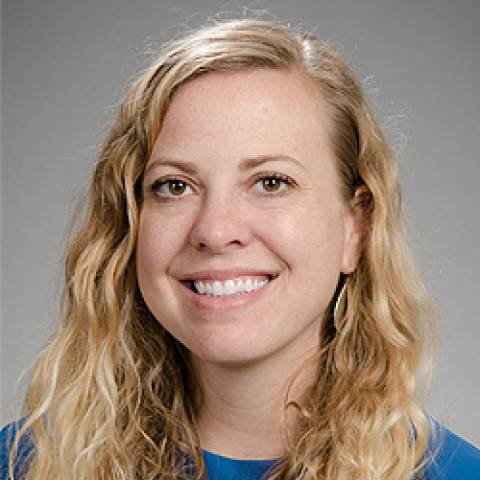
Dr. Laura Buck
Program Director
buckl3@uw.edu
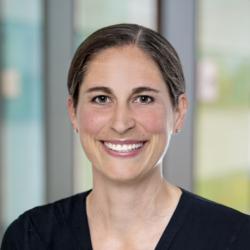
Dr. Paula McPoland
Associate Program Director, Pediatric Palliative Fellowship Track
Paula.McPoland@seattlechildrens.org

Program goals
- To train a diverse group of individuals who will succeed in clinical, educational, and academic roles in the scope of palliative medicine, while maintaining resilience and professionalism.
- Through exposure to outstanding interdisciplinary palliative medicine providers, graduates will excel as palliative medicine consultants, providers, and clinician-educators.
- Through patient care in community settings, graduates will utilize their palliative medicine skills as leaders.
Mission Statement
The mission of the program is to foster the development of a diverse group of graduates, who can succeed in any clinical, educational, or academic role in the scope of palliative medicine, while maintaining resilience and professional fortitude, through exposure to a multitude of outstanding interdisciplinary palliative medicine providers, and through exposure to a highly-varied number of patient encounters in multiple clinical settings.
Commitment to Inclusion and Diversity
UW GME is committed to a diversity of ideas and experiences. We embrace all aspects of human difference and do not tolerate discrimination in our learning environments.
For all of our training programs, UW GME is committed to educating, supporting, and retaining physicians and dentists from a variety of backgrounds, with diverse perspectives and experiences. We strive to ensure that all voices within our community – residents, fellows, faculty and staff – are heard and valued.
Clinical Training & Education
By rotating at multiple sites, fellows learn from diverse patient populations which enhances their experience and training and supports the fellows in learning to provide culturally responsive and trauma informed care. Fellows have the opportunity to work with and learn from transplant patients, immigrant and refugee patients, historically marginalized patients, patients from diverse socio-economic backgrounds, and unhoused patients.
Contact Us
Harborview Medical Center
325 9th Ave, Box 359755
Seattle, WA 98104-2499
(206) 744-9102